
|
Eager Space | Videos by Alpha | Videos by Date | All Video Text | Support | Community | About |
|---|

Welcome to eager space...
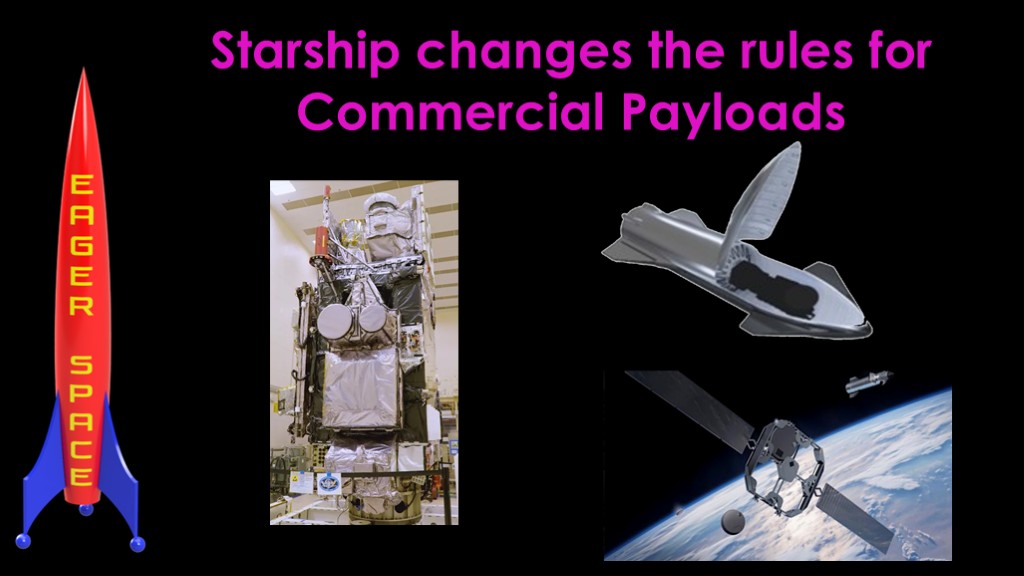
There is something coming in the near future that I don't think many people have figured out and I think it might have as much impact on spaceflight as the introduction of reusable rockets...
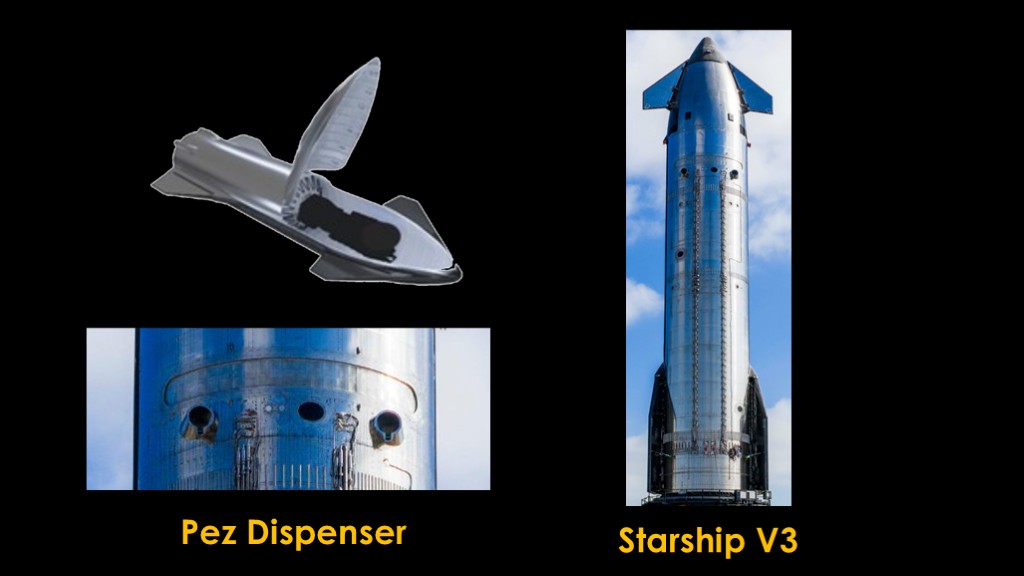
Early on in starship development, there was talk of a clamshell fairing. This would allow it to carry heavier and larger payloads than previous launchers, and that would clearly lead to a new renaissance of space launch. At least that is what some people said.
But SpaceX has launched 12 flight tests, and even on the brand new Starship V3, all we've seen is the Pez dispenser approach.
When discussing what a company might do in space, I always start by looking at customers and markets.
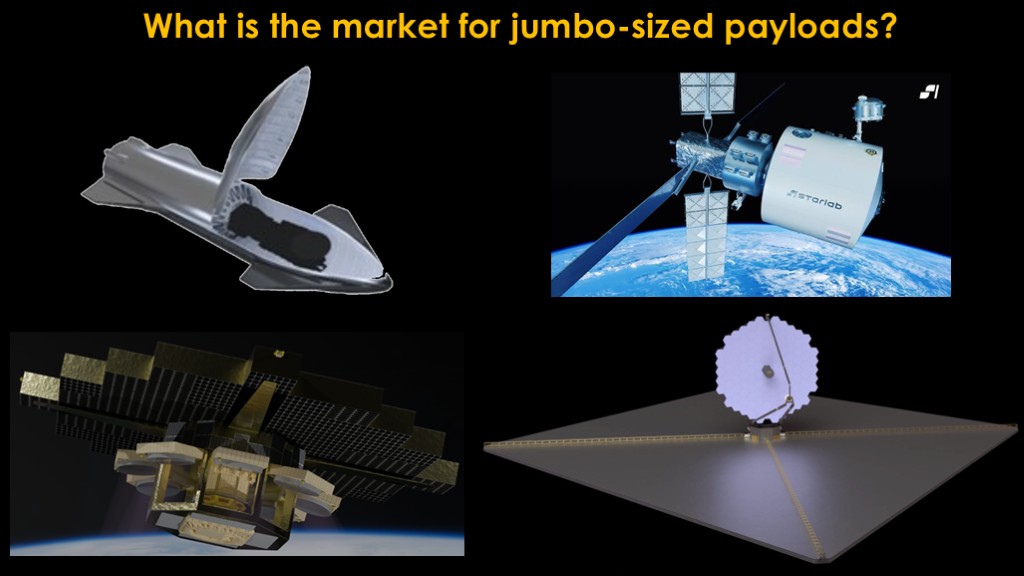
What do we know about the market for jumbo-sized payloads?
And the answer is that it's really tiny right now. Starlab has a space station, of which there would likely be only one. NASA has some space telescopes such as the LUVOIR concept, which would also likely only be a singleton.
Star catcher has a large power beaming satellite that would only fly in starship, and there could maybe be a market for multiple launches at some time, but they are currently working on a version that can fly on Falcon 9.
I don't see a lot of market for jumbo sized payloads at this point, and it's therefore not surprising that we haven't seen a starship designed for them.
Is Starship only going to launch for SpaceX?
I thought the answer was "perhaps", but I recently realized that they are likely planning to support commercial payloads - just not in the way that people expect them to support commercial payloads.
To understand where I think they are going, we need to understand the way things are right now.
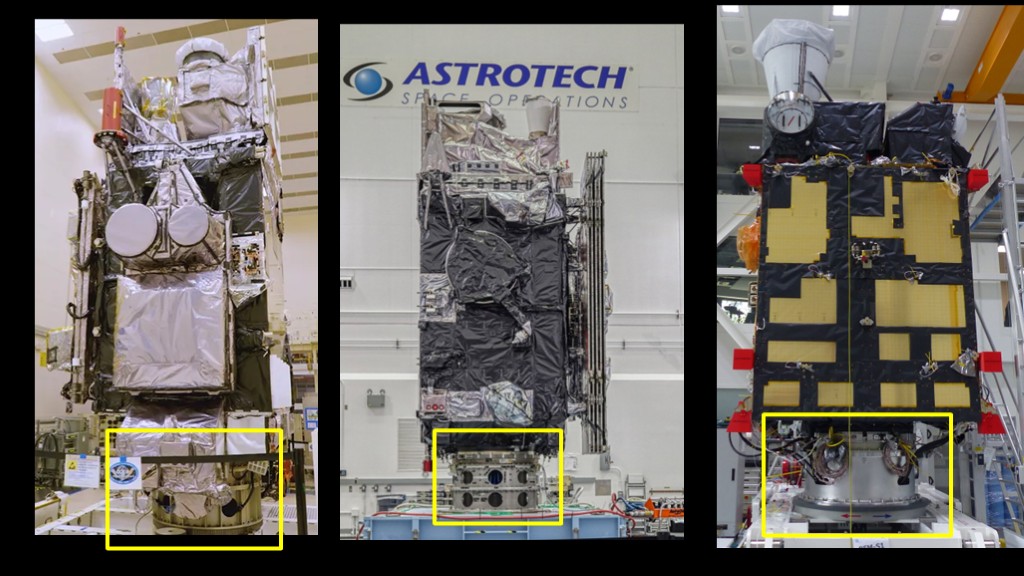
For 40 years, most of the business of commercial launch companies was launching geosynchronous communications satellites or big probes for government organizations like NASA.
These satellites are typically "bespoke" - while they may be built on a standard satellite bus, they are specifically designed to meet a customer's requirements.
At the bottom of each of these satellites is the section that is used to attach to the upper stage of the rocket. You'll notice that these three satellites all look different in how they attach.
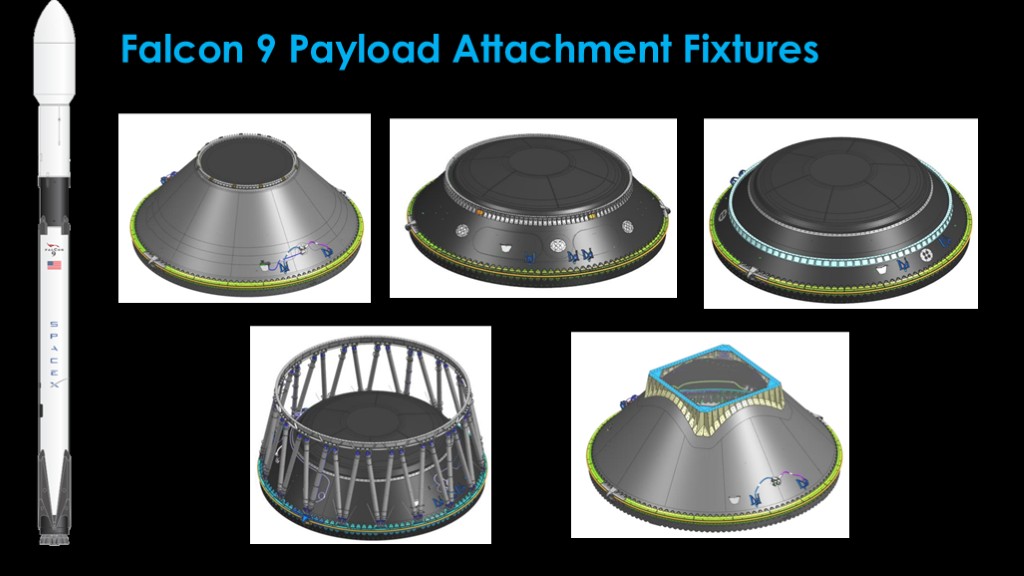
Satellite customers need to choose a way to attach their satellite to the rocket.
A customer flying on a Falcon 9 will need to choose from one of five payload attachment fixtures, and you'll need to work with SpaceX to make sure that you don't violate the limitations of the fixtures.
That means the both the customer and SpaceX need to collaborate to make sure things work well. It's a fair bit of extra work, but if the satellite costs hundreds of millions of dollars and the launch is $70 million, it's not a significant part of the cost.
If you want to move to a different launcher, you have to redo this work.
This is because of a rocket design choice that has been around forever. Rockets have payload fairings to protect the payload from damage during launch, and those payload fairings are discarded to save mass - and therefore increase payload - as soon as the rocket is out of the atmosphere.
This is a real factor - the payload fairings on the Falcon 9 are made out of carbon fiber but even with that, they mass about 2 tons. Keeping them would significantly reduce the payload of any rocket.
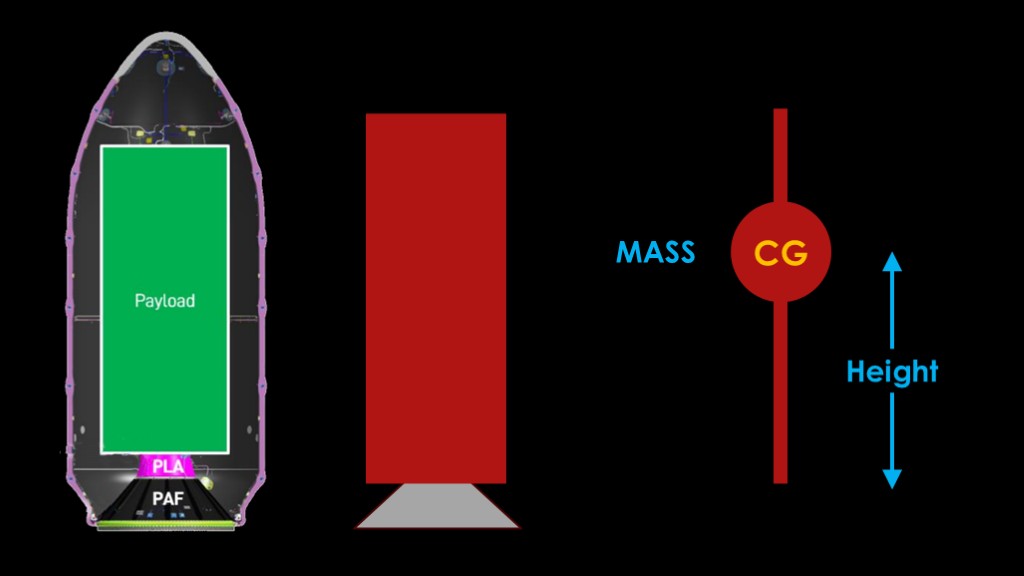
The payload is therefore only supported from the bottom by the payload adapter fixture and the payload adapter.
During launch, there's going to be vibration in the vehicle and that will shake the payload back and forth.
We can model the payload as a single mass centered around the center of gravity of the payload at a specific height above the payload adapter fixture.
If the mass is too big or the center of gravity is too high in the payload fairing, it exceeds the limit of the payload adapter and could cause the payload attachment to break during launch, which would be... unfortunate...
The right attachment fixture needs to be chosen and if the strongest one isn't strong enough, custom engineering and perhaps manufacturing may be required, and that is a hassle for both the launch company and the satellite manufacturer, as the satellite also needs to resist the launch loads.
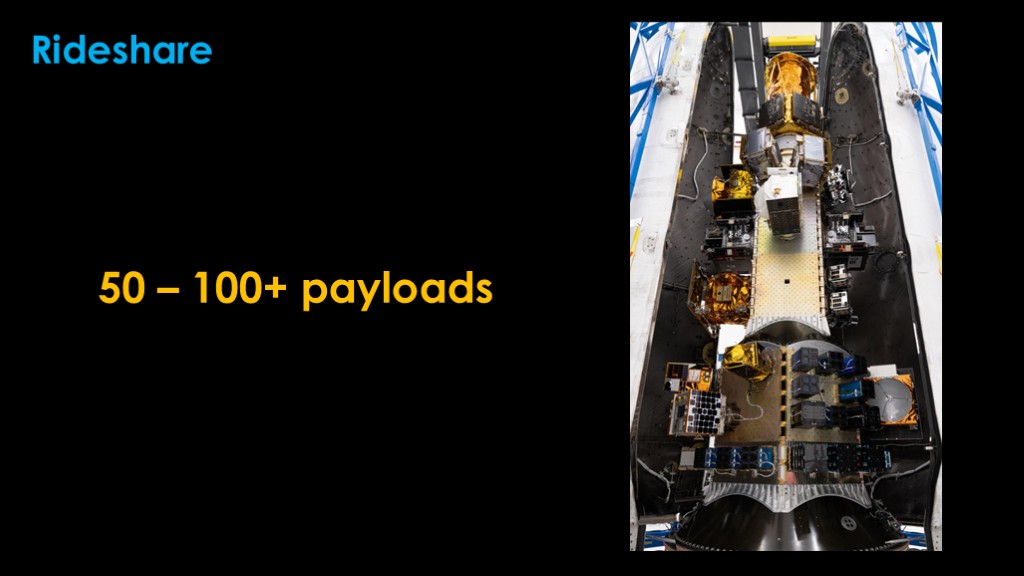
It's an even worse problem with rideshare flights. You'd ideally want to put the heavier satellites down low to keep the center of gravity low but they don't always fit there and every additional satellite changes how the stack vibrates and affects the whole stack. It's a lot of work when there are 50 or even 100 individual payloads.
Falcon 9 rideshare is not a big moneymaker - they are making roughly $25 million a mission. They do generally land the booster back at the launch site and that makes it cheaper than most commercial launches, but it's not a significant money maker considering how much hassle it is.
Is there a way to fix this payload problem?
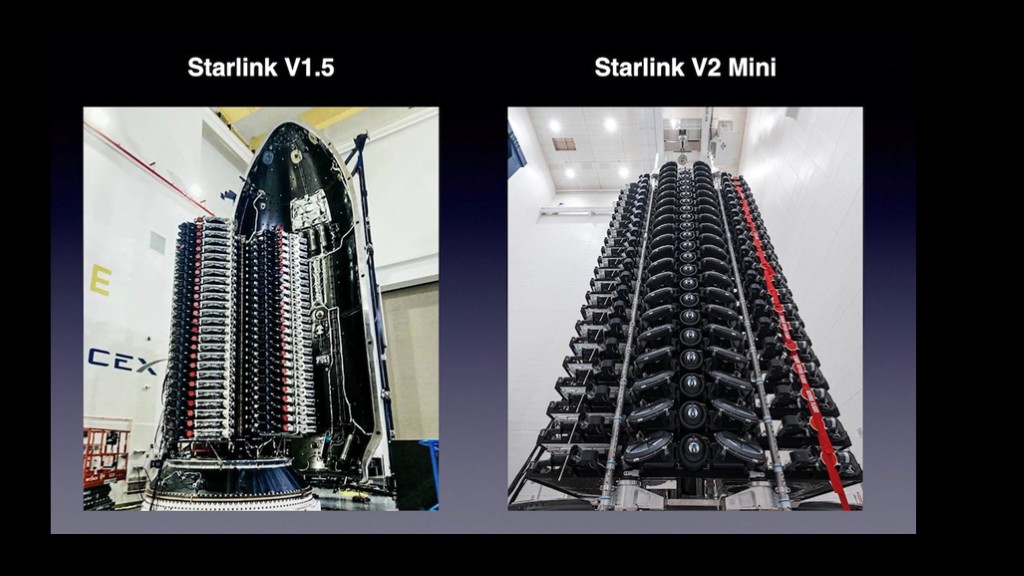
SpaceX started a new approach with starlink, building "flat pack" satellites to stuff as many as possible into the Falcon 9 payload volume, but still using a conventional payload adapter fixture to attach to the second stage.
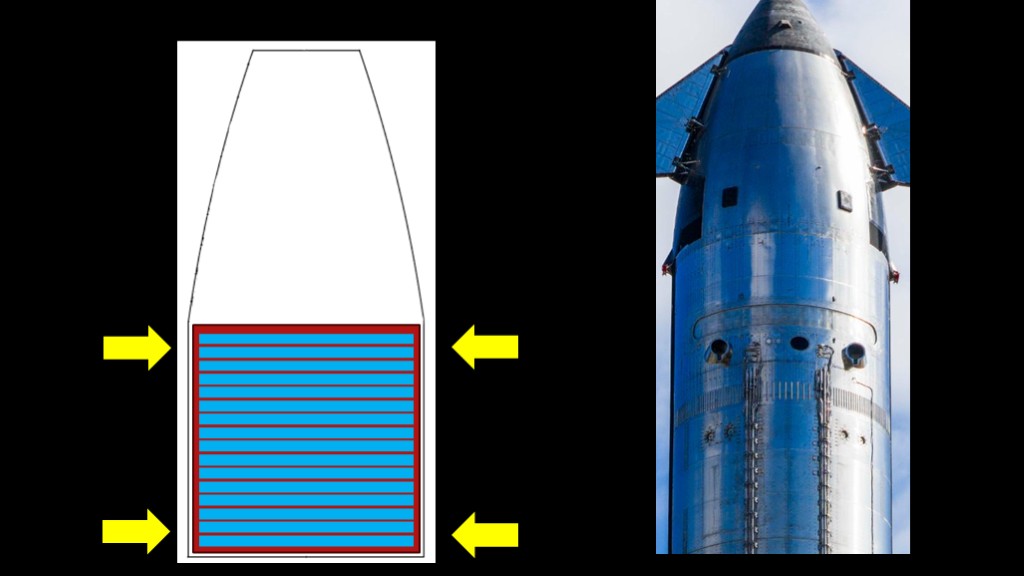
Starship, however, is a different beast because it doesn't use a traditional fairing.
The Pez dispenser is solidly attached to the payload section at the sides of the dispenser and is therefore a rigid structure. Each payload is supported at the corners and they all get the same support.
That solves the problem of choosing a payload adapter fixture and doing the validation to make sure it works for a specific payload, and the loads on each satellite are smaller.
Smaller loads during launch means less structure in the satellite and that means more mass going to payload, which is a good thing.
But there's something else going on that I think has escaped notice.
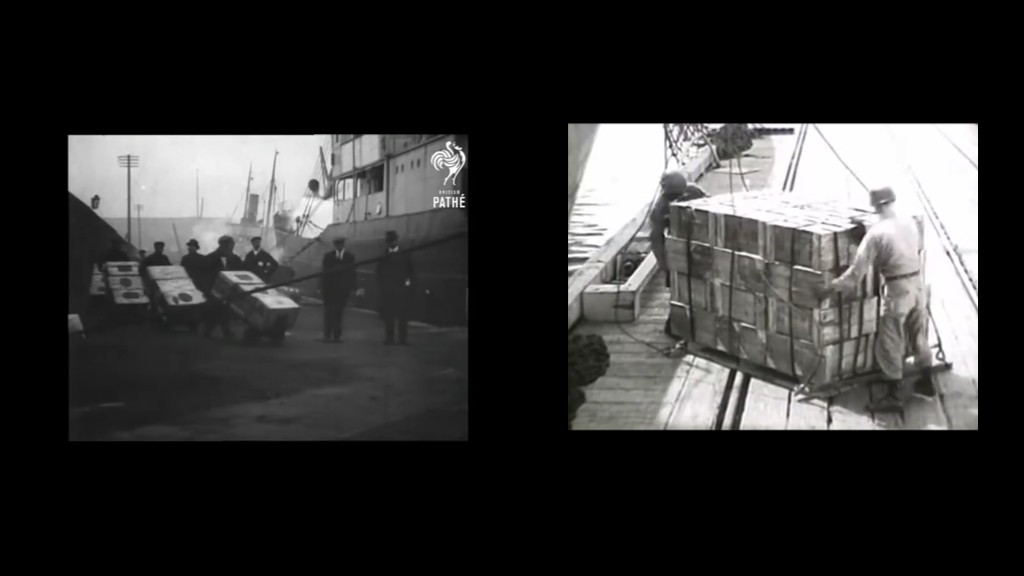
In the 1940s and 1950s, products were shipped using what is known as "break bulk". The items to be shipped were delivered dockside in whatever packaging they came in - bags, barrels, boxes, etc. - and were then loaded into the holds of ships using cranes.
This was quite inefficient - it took a lot of labor to load, and the ships spend a lot of time in port, wasting money. Shipping contracts had to be separately negotiated, and some poor person was responsible for trying to pack all the cargo into the holds of a ship.
And the unloading at the destination had the same issue.
Lots of custom work, and custom work costs more and slows things down.
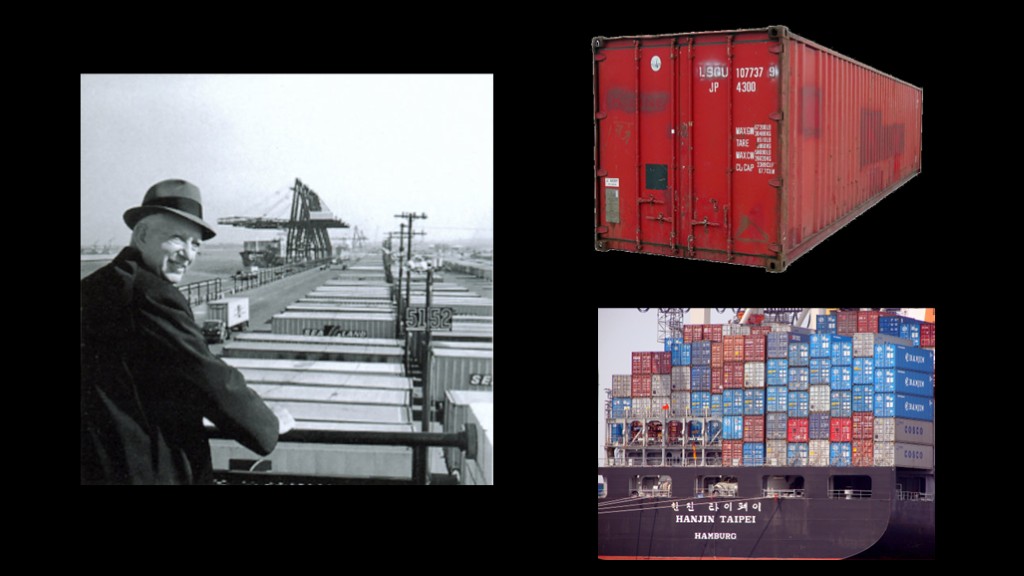
Then in the mid 1950s, Malcolm McLean invented the shipping container, and that is by far how most products are shipped. No longer do items need to be loaded individually - there is a standard interface that is very flexible, and more than 50% of seaborne trade is shipped by container.
The rest consists of 40% bulk oil and heavy raw materials like ores and grain, and only about 6% is still shipped break bulk.
Container-based is really efficient because it is standardized.
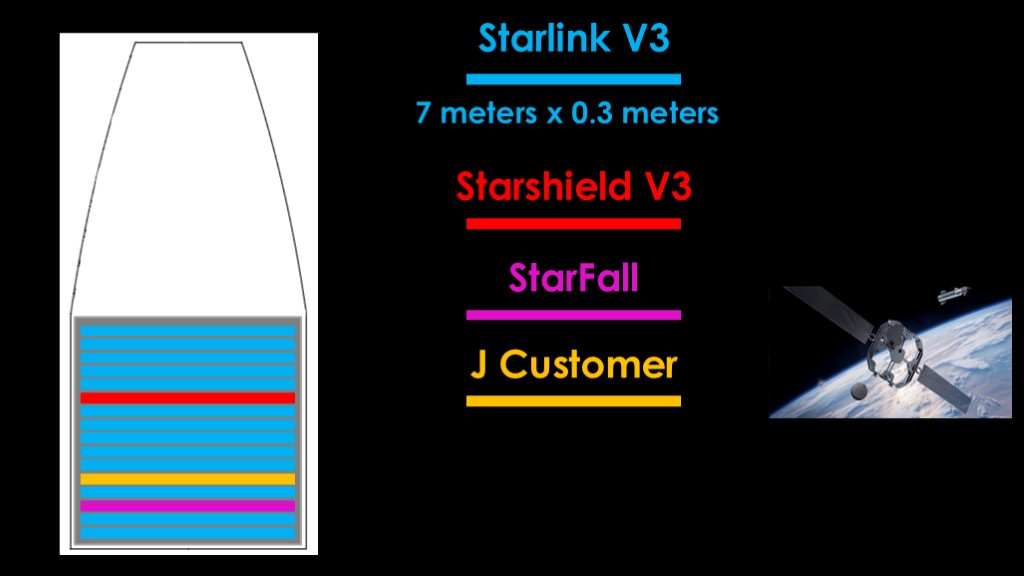
SpaceX is creating satellite form factors that are the equivalent of standardized shipping containers.
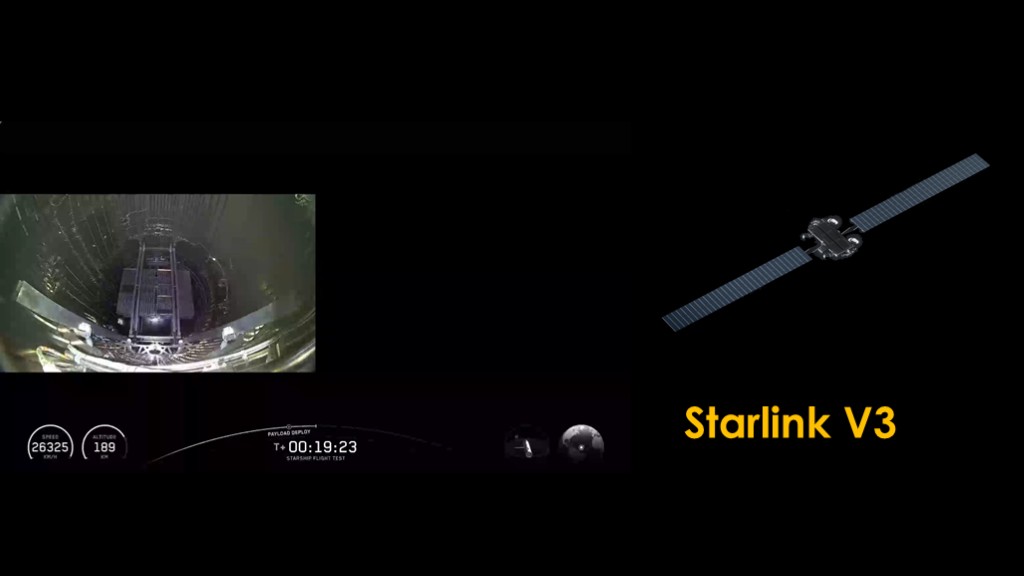
The starlink V3 satellites are expected to be about 7 meters by 3.5 meters and 0.3 meters thick, and two fit next to each other in the pez dispenser.
And there's no reason that there can't be a starshield V3 satellite that is exactly the same size.
And the recently announced starfall likely also fits in the pez dispenser.
This standardization allows SpaceX to mix and match the payloads they want to carry on a specific mission. Like shipping containers, they all fit. This is great for a product like starfall where you might not know what the market is ahead of time.
The answer for most customer payloads is therefore "design to the pez standard and we will give you a good deal on launch pricing and schedule, because the amount of custom effort is considerably reduced.
This approach is important for starship because SpaceX will want to minimize the cost of integrating the payloads into the vehicle, and to do that they won't want to spend the two to four weeks that it currently takes between a payload arriving and launch.
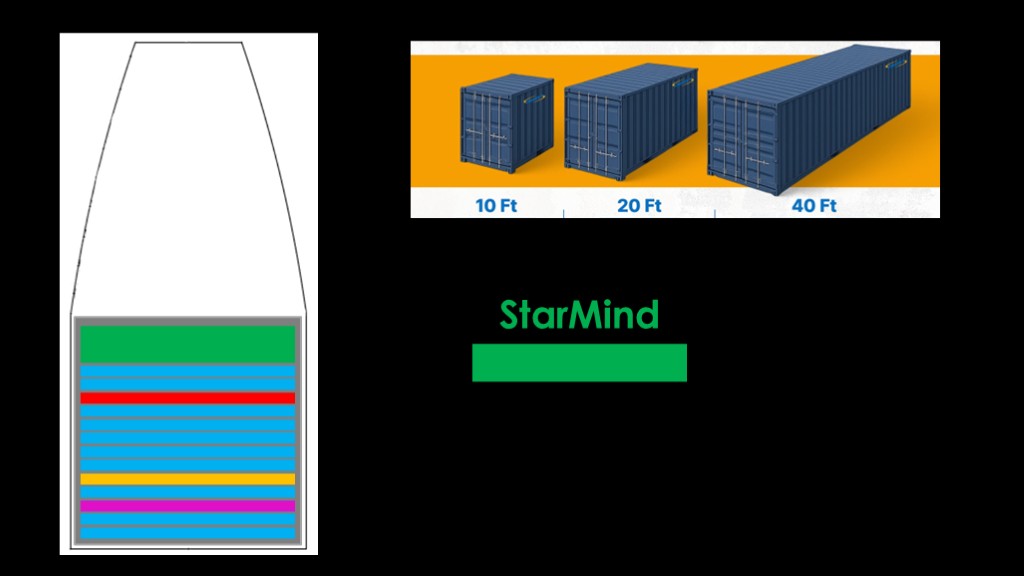
And just like shipping containers come in different sizes, the pez dispenser could support different sizes.
The StarMind orbital data center might be 3 times the thickness of the starlink satellites.
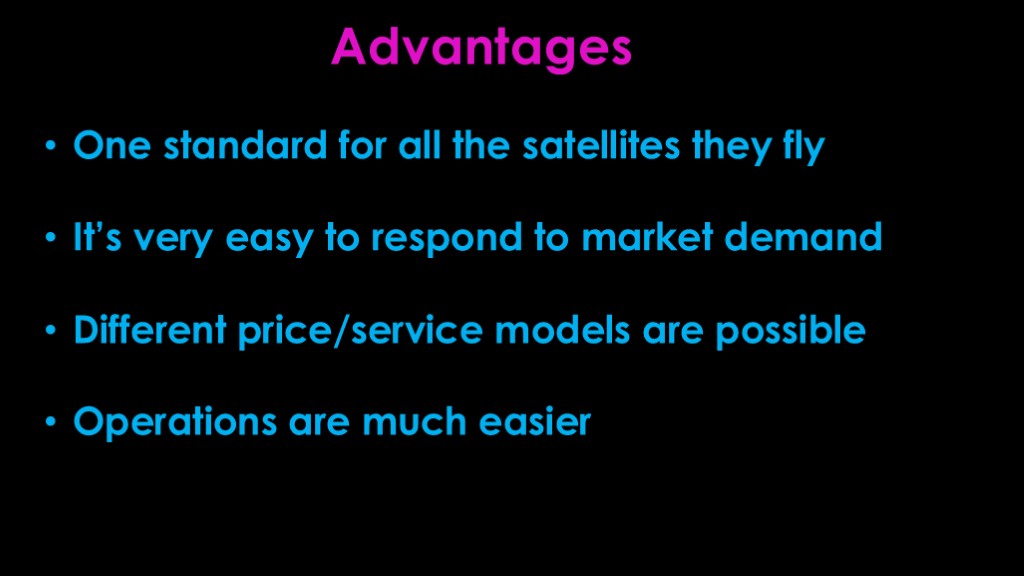
This approach is just full of advantages
There is one standard for all the satellites SpaceX flies, which means new ones are much easier to design.
It's very easy to respond to market demand. Starfall might find demand in manufacturing or in military applications. SpaceX can fly as many starfall modules as the market demands and they can do it in the responsive matter that the Space Force wants. Just put a satellite on the next starship that is going where you want to go.
Different price/service models are possible. You want to fly this month, it's one price. If you are okay flying 5 satellites in the next 6 month, you can perhaps use excess capacity and launch for much cheaper.
Operations are much easier, and we know that SpaceX wants to fly a lot.
And that's why I think - with a few exceptions for bigger payloads - SpaceX is going to focus on customers that target the Pez standard.
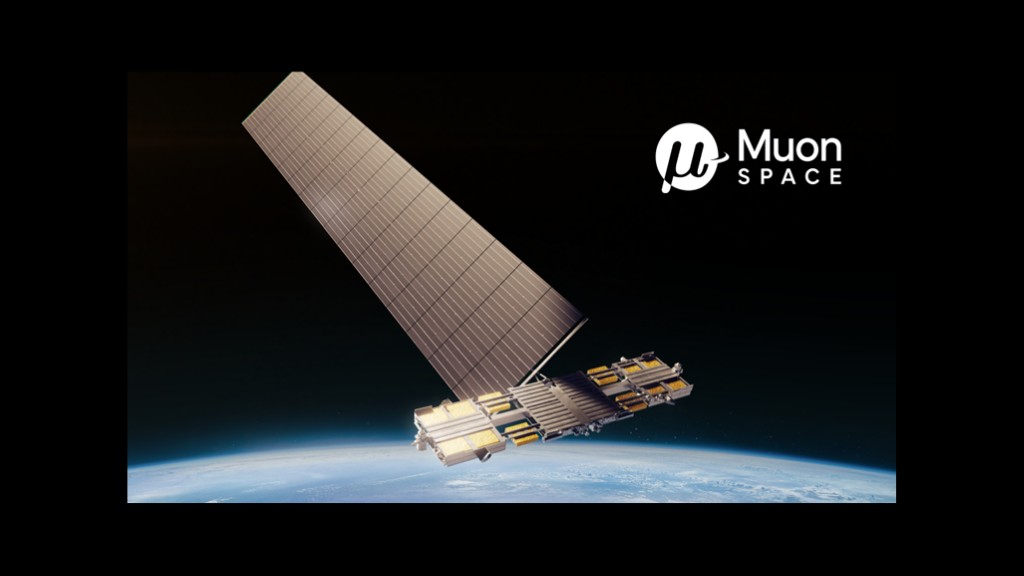
Will customers design to the pez standard?
It appears that Muon Space's orbital data center is already planning to do just that, and I expect other companies to follow, including rideshare companies.
And that's all for this video.

Today's song is Under Pressure by Queen and David Bowie off the 1982 album Hot Space
https://www.youtube.com/watch?v=a01QQZyl-_I